Reduce Germ Exposure!
Microbial hitchhikers thrive on high-touch zones, proliferating via fomites that harbor influenza particles for 48 hours or norovirus up to two weeks on fabrics.
Friction-based cleansing and barrier tactics intercept 80-90% of transmissions in communal settings, per hygiene intervention trials.
Strategic layering fortifies perimeters against enveloped and non-enveloped threats alike, leveraging physics and epidemiology for seamless integration.
Mastering Friction Cleansing Routines
Vigorous 20-second scrubs with non-antimicrobial soap dismantle lipid envelopes of rhinoviruses and coronaviruses, achieving four-log reductions in coliforms across palms and knuckles. Warm water aids surfactant enter into cuticles, where transient flora lingers post-contact with railings or keypads. Sequential steps—wet, lather, interlock fingers, rinse thoroughly, dry with disposables—outperform gels against spore-formers like Clostridioides.
Post-pet interaction rinsing neutralizes zoonotic Pasteurella, while pre-meal sudsing blocks Salmonella from produce peels. Air drying via blowers minimizes retransfer versus shared linens breeding staphylococci. Technique refinement targets overlooked webbing, slashing respiratory odds by 54% in cohort studies.
Erecting Respiratory Droplet Shields
Tissue interception during exhalations confines aerosols to waste streams, curbing influenza viability in suspended droplets for hours. Elbow crooks serve as backups, evading hand contamination cycles observed in public transit logs. Immediate disposal prevents secondary fomite seeding on counters or devices.
Mask linings capture 95% of expelled particulates under fitted seals, extending protection against mycoplasma in enclosed spaces. Fabric barriers laundered daily retain efficacy, complementing ventilation in crowded venues. Cough etiquette drills in households trim norovirus relays by 40%.
Sanitizing Fomite Hotspots
Disinfecting high-touch surfaces such as screens, remotes, and steering wheels can effectively reduce the presence of microbes when done with appropriate products and technique.
Quaternary ammonium compound–based wipes (often found in household disinfectant wipes) are also widely used to reduce microbial contamination on surfaces when applied according to the manufacturer’s instructions, though their effectiveness can vary with formulation and pathogen type.
Hydrogen peroxide solutions (typically around 0.5–3%) have broad microbicidal activity against bacteria, viruses, and fungi on inanimate surfaces when allowed adequate contact time.
Cleaning and disinfecting electronics and other sensitive items should follow manufacturer guidance to avoid damage. Routine cleaning of commonly touched items and surfaces helps limit potential pathogen persistence.
Navigating Crowded Exposure Zones
Maintaining physical distance from others can help reduce the likelihood of exposure to respiratory viruses because infectious droplets and aerosol particles are typically more concentrated nearer the source of exhalation. Putting space between yourself and someone who is sick can lower your chances of inhaling infectious particles. The U.S. Centers for Disease Control and Prevention (CDC) notes that physical distancing is an additional strategy to help reduce spread of respiratory viruses, though there isn’t a single universally “safe” distance — risk depends on many factors including ventilation and duration of contact.
Being outdoors rather than in indoor, crowded spaces generally presents a lower risk for airborne transmission, as outdoor air currents disperse respiratory particles more rapidly than in enclosed settings, helping dilute virus concentration.
Improving ventilation indoors — for example by opening windows or increasing fresh air exchange — can help reduce the concentration of airborne viral particles and thus potentially lower the overall exposure risk in that environment, though proper ventilation works best as part of a broader set of prevention measures.
Bolstering Systemic Defenses
Hydration sustains mucosal linings trapping invaders, channeling nutrients via four-to-six cup intakes from melons or celery. Micro-rests under 10 minutes refresh sentinel cells without inertia. Soil-minimal pursuits like paved walks evade dust-borne aspergillus.
"You can catch and spread germs when you touch something with germs already on it, like a doorknob or handrail, and then touch your eyes, nose, or mouth," advises the Cystic Fibrosis Foundation in its germ-guarding guidelines.
Routine frictions, shields, wipes, spacing, and nourishments construct multilayered bulwarks, diminishing microbial footholds profoundly. Precision timing across domains yields compounded resilience against persistent threats. Embedded practices elevate defenses effortlessly for sustained clarity.
-
 Pula, Bold and TimelessRoman echoes, sunlit cliffs, and island calm—Pula's past and present shine in one radiant curve of coast.
 -
 Art in the WorkplaceHow art transforms corporate spaces and boosts employee well-being!
 -
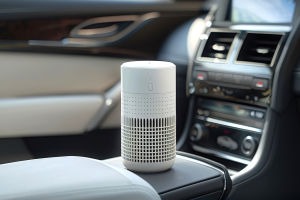 Air GuardDiscover How Smart Car Air Purifiers Keep Your Ride Fresh, Healthy, and Allergy-Free Every Day!
Copyright © zogu 2021 - 2025. All Right Reserved.