The Violin’s Role
The violin, often regarded as the "king of instruments," holds a unique and indispensable role in a symphony orchestra.
It blends seamlessly with other instruments, contributing both to melody and harmony, shaping the emotional and sonic depth of the entire performance.
From soaring, lyrical passages to rapid, virtuosic runs, the violin's voice can express the broadest range of emotions. But what exactly makes the violin such an essential part of the orchestral ensemble? Let's delve into the violin's position and significance in orchestral settings, exploring how it enriches the symphonic sound.
The Violin's Role in Melody and Harmony
In an orchestra, the violin has the dual role of carrying the melody and supporting the harmonic structure.
Leading the Melody
The first violins often take the lead in carrying the principal melodic lines in many pieces. Whether in classical symphonies or more modern compositions, the violin's ability to sustain long, lyrical phrases with rich tone makes it the natural choice for melody. In orchestral works, the violin can communicate the theme, often soaring above the other instruments with clarity and emotion. A famous example of this can be found in Beethoven's Symphony No. 5, where the violin's bright, bold melody drives the piece forward.
Supporting Harmony
The second violins and violas play a critical role in harmonizing and filling out the sound. While the first violins lead, the second violins provide a rich harmonic backdrop. This interplay between the lead violin and the supporting violins creates a layered texture that allows for a rich and complex orchestral sound. Additionally, violins often work in tandem with other string sections to create a unified string sound, blending seamlessly with wind, brass, and percussion sections.
The Violin's Versatility in Orchestral Music
One of the most captivating qualities of the violin in orchestras is its versatility. It can transform to fit a wide range of musical styles, from the most delicate, ethereal passages to powerful, dramatic moments.
Expressive Capability
The violin can express a vast range of dynamics and tones, from soft, tender whispers to sharp, biting intensity. This dynamic range gives it an emotional depth that allows the orchestra to communicate both the highs and lows of a piece. The violin's expressive capabilities are crucial when conveying the emotional content of a work, whether it's the passion of Tchaikovsky's Violin Concerto or the mournful passages in Brahms' Symphony No. 3.
Virtuosity and Skill
The violin is also known for its virtuosic passages—rapid runs, intricate bowing, and challenging techniques that showcase the player's skill. In orchestral works, solo violin passages often stand out for their technical brilliance and emotional intensity. The violin is frequently used to display the technical prowess of its player, creating a moment of awe and admiration from the audience.
Violin's Role in Ensemble Coordination
The violin's role in an orchestra is not just as a solo instrument or as a harmonic support—it's also crucial in ensuring that the ensemble works together cohesively.
Leadership and Communication
In many orchestras, the concertmaster, the leader of the first violin section, plays a crucial role in leading the orchestra and ensuring that the musicians stay together. The concertmaster works closely with the conductor to interpret the music and guide the rest of the orchestra. The violin's position at the front of the string section allows it to set the tone for the rest of the ensemble, helping synchronize the various sections of the orchestra.
Fostering Unity Between Sections
The violin section often serves as a bridge between the strings, woodwinds, brass, and percussion sections. By playing in harmony with other sections, the violins contribute to the overall unity of the orchestra. Their ability to blend with the other instruments, while still maintaining a clear and defined sound, is what allows the orchestra to sound cohesive and balanced.
Conclusion: The Violin's Enduring Legacy in the Orchestra
The violin's place in the orchestra is both profound and essential. It is an instrument that shapes the melody, supports harmony, and provides expressive depth to the overall orchestral sound. From its leading role in presenting the principal themes to its subtle contributions in supporting the ensemble, the violin is a true cornerstone of orchestral music. Its versatility, expressive power, and ability to connect with other sections make it one of the most important instruments in the orchestral world.
The next time you hear a symphony, listen closely to the violins—their contribution goes far beyond the melody. The violin helps shape the music's emotional depth, creating moments that resonate with audiences long after the final note has faded. Whether in delicate passages or dramatic solos, the violin remains one of the most powerful voices in the orchestra.
-
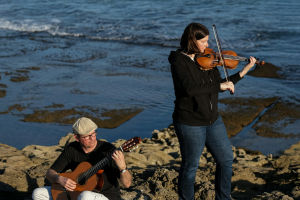 The Violin’s RoleDiscover the Violin's Impact in Symphonic Music and Its Contribution to Sound.
 -
 Why Guitar So Popular?Explore the timeless appeal of the guitar and why it’s a favorite across generations.
 -
 Mrs. Joseph ChamberlainExploring the life and impact of Mrs. Joseph Chamberlain on British society.
Copyright © zogu 2021 - 2025. All Right Reserved.