Goldcrest: Tiny King
Have you ever spotted a bird so tiny yet so majestic that it almost seems like a fairy tale creature? Meet the goldcrest, or Regulus regulus, Europe’s smallest songbird and often called the “bird king” in local folklore.
Its scientific name, Regulus regulus (often abbreviated as R. regulus), literally means “little king” or “prince,” a perfect description for this miniature monarch.
Goldcrests are spread across most of the Palearctic, reaching as far as Macaronesia and Iceland. Northern and eastern populations migrate south in winter to find food and milder climates. Despite their tiny size—just about the length of a human finger—they show incredible energy and resilience throughout the year.
Spotting Their Sparkling Crown
When we get a closer look, goldcrests reveal their charm. Their backs are soft green, bellies are white, and their wings feature two crisp white bars. Their faces are simple, but the dark eyes contrast beautifully with the bright head crown.
Male goldcrests show off an orange and yellow crest, while females display a yellow one, especially during the breeding season. Their song is a delicate series of high-pitched notes, slightly sharper than their close relatives, the firecrests (Regulus ignicapilla). Although they look similar at first glance, firecrests have copper-colored shoulders and distinct head markings, which help us tell them apart.
Subspecies Across the Globe
Goldcrests are not all the same. Across their wide range, scientists have identified multiple subspecies. For example, birds from the Canary Islands were once classified as a subspecies or discussed in relation to the firecrest complex, and can include taxa sometimes treated differently across classifications.
These regional variations show how adaptable the species is to different environments—from dense forests to scattered gardens. Understanding these differences also helps us appreciate the incredible diversity hidden within such a small bird.
Homes in Forests and Gardens
We can often find goldcrests breeding in coniferous forests, gardens, and even parks with tall trees. They build compact, three-layered nests carefully placed on branches. These nests are strong enough to protect eggs and chicks from wind and rain.
Female goldcrests lay about ten to twelve eggs, incubating them alone, while both parents share the task of feeding the chicks. Second broods in the same season are common.
Active foragers and Social Birds
Goldcrests never stay still. They move quickly, hopping along branches, searching for tiny insects and spiders. In winter, they often join flocks with other small birds, creating lively mixed groups. Watching them in action is a lesson in energy and determination.
Although they are small, they face threats from birds of prey and parasites. Yet their wide distribution and healthy population numbers mean they are not considered endangered. For us, this is a reminder that even the tiniest creatures can thrive with the right conditions.
Why We’re Captivated
Seeing a goldcrest up close can feel like a special gift. Their sparkling crowns, fast movements, and high-pitched songs make them enchanting to watch. They remind us of the beauty in small things, encouraging us to slow down and appreciate details we might otherwise miss.
We also admire their survival skills. These birds endure cold winters, find enough food, and raise multiple broods each year—showing us resilience in miniature form. Their lives are small, yet full of energy and purpose.
Tips for Observing Goldcrests
Next time we walk through a forest or garden, we can try to spot these tiny monarchs. Look for small green-and-white birds darting around conifer branches, listening for soft, high-pitched songs. Observing them teaches patience and attention to detail.
Bringing binoculars or sitting quietly in one spot can increase our chances of seeing their crowns sparkle in the sunlight. Even though they are tiny, watching them makes a big impact, leaving memories of nature’s wonders.
Takeaway for Nature Lovers
Goldcrests show us that size doesn’t limit beauty or resilience. Their tiny bodies carry bright crowns, lively energy, and melodic voices. They are a reminder that we can find awe-inspiring moments in the smallest corners of the world.
By keeping our eyes open for these little “bird kings,” we can reconnect with nature, appreciate its details, and feel inspired by life’s subtle marvels. Even the smallest creatures can teach us big lessons, if we take the time to notice them.
-
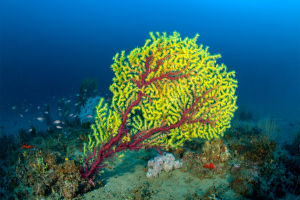 Secrets of Sea FansDiscover How These Elegant Soft Corals Thrive in the Ocean’s Depths, Filtering Water and Supporting Marine Life
 -
 Space Meets PhilosophyHow "Interstellar" Opens Our Eyes to Time, Space, and Meaning!
 -
 Cancer's Quiet WinA past investment could surprise you—while love tests your patience!
Copyright © zogu 2021 - 2025. All Right Reserved.