Try Picnic, Feel The Shift!
Great Day, Lykkers! There’s a simple charm in spreading a blanket under an open sky, far from traffic noise and glowing screens.
The modern picnic isn’t just about food in a basket—it’s a refreshing lifestyle choice that embraces nature, balance, and mindfulness in a fast-paced world.
Let this guide lead into a deeper understanding of the contemporary picnic experience!
Nature’s Living Room: Why the Outdoors Feels Like Home
A patch of grass or a forest clearing may seem like an unlikely substitute for a living room, but for many, it feels more intimate than four walls. The tactile feeling of soil under a woven mat, the sight of shadows shifting through leaves, and the scent of sun-warmed wildflowers can ground the mind in ways a couch never could.
Urban populations have begun embracing this, transforming underutilized spaces—like abandoned railway parks and canal banks—into micro-havens for outdoor leisure. In Tokyo, for example, narrow riverside trails once used for commuting are now dotted with individuals sharing thermos soup beside bonsai-style picnic trays. These areas become sanctuaries not through ownership, but through the rituals we bring to them.
Seasonal Bounty and Culinary Simplicity
Today’s picnic menus reflect a deeper awareness of locality and seasonality. Gone are the days of soggy sandwiches and canned drinks. Instead, picnic-goers now plan dishes that travel well and highlight regional freshness. In late spring, for example, alpine regions might see baskets filled with foraged ramps, sourdough crisps, and soft goat cheese wrapped in chestnut leaves. In coastal areas, rice-paper wraps filled with seaweed, and pickled mango have replaced heavier alternatives.
Balanced nutrition is another focus. People are opting for hydrating fruits like kiwi, dragonfruit, or chilled watermelon cubes seasoned with mint and lemon zest. These choices are not only refreshing but help regulate body temperature and prevent dehydration—especially during long hours spent in the sun.
Reclaiming Time: A Slow Living Approach
Unlike brunch appointments that come with a bill and a time limit, the modern picnic is an open-ended ritual. There's no pressure to order, no noise of espresso machines, and no awkward glances from staff waiting to reset a table. The unstructured format invites real rest—often for the first time all week.
In fact, some groups have introduced "silent picnic" events, where participants intentionally limit speaking for the first hour. Instead, attention shifts to sensory experiences: the crackle of crispbread breaking, the warmth of the sun on skin, or the rhythmic chirping of cicadas. These moments encourage inner dialogue, leading to emotional decompression that few indoor spaces can match.
Mobile interruptions are minimized. Some individuals create “tech-free zones” with a visible sign on a branch or picnic pole, gently reminding attendees to savor the moment. This quiet reclaiming of time—without the need for flights, hotel bookings, or itineraries—makes picnicking a uniquely accessible form of retreat.
Eco-Smart Picnicking: Quiet Sustainability
As global conversations on waste and sustainability deepen, the way we picnic is shifting too. Reusable cutlery and biodegradable banana-leaf plates have replaced single-use plastics. Even cloth napkins are making a comeback, not just for aesthetics but to reduce micro-waste.
Some picnickers take it further by embracing “leave-no-trace” setups. This means using washable beeswax wraps instead of cling film, bringing mesh produce bags for fresh ingredients, and packing leftovers in collapsible silicone containers. These small acts, though simple, compound into large environmental benefits when done consistently.
Even the choice of transport is evolving. In bike-friendly cities like Copenhagen or Amsterdam, picnic trailers that attach to bicycles allow entire groups to travel with gear and food without burning fuel. Some people even organize “zero-carbon picnics” where every part of the gathering, from ingredient sourcing to clean-up, follows strict low-impact principles.
Social Wellness and Outdoor Bonding
While the visual of a picnic may seem solitary or couple-focused, its social potential is immense. Open-air potlucks, intercultural recipe-sharing events, and unplugged musical circles have begun forming in major green spaces across cities. These organic gatherings draw diverse individuals who may not otherwise cross paths, fostering community in ways digital forums can’t.
For families, picnics provide a chance to realign outside the chaos of daily routines. Children often explore freely, engaging with insects, bark textures, and open fields—experiences that foster curiosity and motor development far beyond what indoor playrooms offer. Meanwhile, adults share uninterrupted conversations, supported by a setting that encourages patience and presence.
Group picnics are even being used in workplace wellness programs. Rather than indoor seminars or catered meals, companies are beginning to host “ground-level check-ins,” where employees sit in a circle, share updates, and reflect under open skies. These gatherings promote psychological safety in a way no cubicle can replicate.
This isn’t merely about eating outside. It’s about crafting experiences that are slow, rooted, and meaningful. Each picnic, no matter how simple, offers a chance to step outside scripted environments and step into real presence. Whether it's the crunch of fresh fennel, the smell of lake air, or the texture of canvas under palm—these details bring us back to our senses.
So consider not just packing a meal, but unpacking a lifestyle—one that values quiet moments, thoughtful choices, and real human connection. The world may move fast, but you don’t have to!
-
 The Surfing Journey BeginsFrom Beginner to Wave Rider: Can We Learn Surfing Step by Step, Read Waves, and Stand Strong on the Ocean?
 -
 Growing ApartWhy do parents and grown children miss each other emotionally?
 -
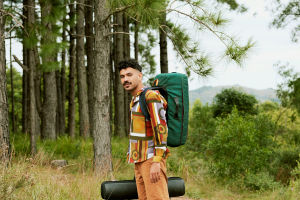 Camping Starter KitReady for Your First Camping Trip? This Simple Gear List Makes Outdoor Nights Easy and Stress-Free!
Copyright © zogu 2021 - 2025. All Right Reserved.