Men's Style Pitfalls
We've all seen it: a perfectly nice outfit ruined by one tiny misstep.
Maybe the shoes clash with the belt, or the fit is just off. Fashion for men isn't about having a huge wardrobe — it's about knowing what works and avoiding obvious errors.
Small adjustments can instantly elevate your look, making you appear confident and polished without trying too hard.
Ignoring Proper Fit
Comfort
Proportion
Clean silhouette
Fit is the foundation of style. Even the most expensive clothing looks sloppy if it's too baggy, too tight, or uneven. Shirts, jackets, and pants should follow your body's lines without constricting movement. Pay attention to shoulder seams, sleeve length, and pant breaks.
- Try clothes on before buying and consider tailoring if needed.
- Roll up sleeves slightly for casual looks, but avoid uneven lengths.
- Keep pants tailored at the ankle for a modern silhouette.
Actionable example: a blazer that fits perfectly at the shoulders but tapers slightly at the waist instantly sharpens your profile, even with simple jeans and sneakers.
Overlooking Color Coordination
Visual harmony
Balanced palettes
Intentional contrast
Clashing colors or patterns can ruin an outfit. Start with neutrals and add pops of color carefully. Complementary tones work better than random bright shades, and patterns should be balanced — avoid pairing too many bold prints together.
- Use one statement piece per outfit, like a scarf or sneakers.
- Match belts and shoes for a cohesive look.
- Test outfits in natural light to see how colors interact.
Actionable example: pair a navy sweater with beige chinos and brown leather shoes. Add a muted patterned scarf for interest without overloading color.
Wearing Worn-Out Footwear
First impressions
Polished appearance
Durability
Shoes are often the first thing people notice. Scuffed, dirty, or outdated footwear can make an entire outfit look careless, no matter how well the clothes fit. Regularly clean, polish, and replace shoes as needed.
- Rotate shoes to extend lifespan.
- Match shoe style to occasion — casual sneakers for casual wear, polished loafers or boots for formal events.
- Check soles and laces; worn soles or frayed laces create a sloppy look.
Actionable example: even a simple outfit of jeans and a sweater looks sharp with clean white sneakers or freshly polished leather boots.
Neglecting Layering and Proportions
Balanced look
Depth and texture
Comfort
Layering can add dimension and versatility, but incorrect proportions make it look bulky or awkward. Avoid pairing oversized tops with baggy pants, and consider lengths and textures carefully. Thin layers closer to the body with slightly bulkier outer layers usually work best.
- Use a fitted base layer under sweaters or jackets.
- Mix lengths and materials for visual interest.
- Ensure outer layers allow movement without looking tight or droopy.
Actionable example: a fitted henley under a medium-weight bomber jacket with slim trousers creates a layered yet streamlined outfit.
Over-Accessorizing or Ignoring Details
Subtle accents
Functional style
Polished finish
Accessories can elevate a look or ruin it if overdone. Watches, belts, hats, and scarves should complement your outfit, not compete with it. Details like cuff links, clean nails, and well-groomed hair subtly enhance your style without shouting for attention.
- Limit accessories to one or two key items per outfit.
- Keep patterns, textures, and metals consistent.
- Choose functional accessories that add value and style.
Actionable example: a simple leather watch paired with a matching belt adds cohesion and sophistication to casual or formal wear.
Fashion mistakes aren't about wearing the wrong brand or style — they're often tiny missteps that throw off the balance, fit, or coordination of an outfit. By focusing on proper fit, harmonious colors, clean shoes, smart layering, and subtle accessories, men can transform simple outfits into confident statements. Paying attention to these details shows style awareness and lets your personality shine through your clothing choices.
Men’s style is built on small details rather than big statements. Most common fashion mistakes come from overlooking basics like fit, color coordination, footwear, layering, and accessories. When these elements are handled correctly, even simple outfits can look clean, modern, and well put together.
Improving style doesn’t require a large wardrobe—just awareness and consistency. By focusing on proper fit, balanced colors, well-maintained shoes, and subtle finishing touches, men can instantly elevate their appearance. Ultimately, good style is about confidence, clarity, and knowing how to make simple choices look intentional.
-
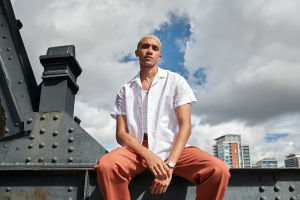 8 Sky Portrait Tips!Struggling with sky backgrounds?! These portrait tricks fix exposure and skin tones fast!
 -
 Clean Floral FragrancesSoft floral scents with fresh, shampoo-like vibes? Clean girl perfumes feel effortless and elegant!
 -
 Bougie Lippie Review!Luxury lipsticks with swatches? Some shades looked stunning, while others were surprising!
Copyright © zogu 2021 - 2025. All Right Reserved.