The Art of Luxury Eyewear
Luxury eyewear is more than a fashion statement — it is the intersection of art, design, and meticulous craftsmanship.
While mass-produced designer frames often rely on brand recognition, genuinely luxurious eyewear is defined by materials, construction, and originality.
Holding a well-crafted frame immediately feels different: heavier, more solid, and intentionally designed. Every hinge, edge, and nose pad is carefully considered, resulting in eyewear that is as much a functional object as a piece of wearable art.
What Makes Eyewear Truly Luxurious
True luxury eyewear is defined by three pillars:
- Craftsmanship: Frames are often handcrafted in small batches, with attention to minute details that elevate both comfort and aesthetics.
- Material Quality: From gold and platinum to exclusive acetates and buffalo horn, high-end materials contribute to longevity, feel, and beauty.
- Design Originality: Whether through bold geometric shapes or subtle vintage inspiration, luxury frames convey unique personality while maintaining elegance.
Understanding these factors allows buyers to distinguish frames worth investing in from mass-produced items with a designer logo.
Luxury Eyewear Icons
Some brands represent mainstream luxury at its finest. Cartier frames reflect the house’s jewelry heritage, crafted from gold, platinum, and buffalo horn, with elegant designs that never feel ostentatious. Chanel balances brand identity with sophistication, creating frames where interlocking C logos are thoughtfully executed. Prada, known for its architectural and geometric designs, uses multi-layered hypoallergenic acetates that age beautifully, offering modern, fashion-forward luxury.
For those who seek distinctive and rare frames, independent brands offer unique artistry. Jacques Marie Mage, handcrafted in Japan, produces limited-edition frames with sculptural, three-dimensional designs inspired by historical and cultural references. Cutler and Gross, combining Italian craftsmanship with British sensibility, creates bold, retro-inspired acetate frames that have long been favored by musicians and creatives. Moscot, a New York-based brand founded in 1915, continues to deliver iconic models like the Lemtosh and Miltzen, blending timeless style with modern appeal.
Luxury also embraces innovation and subtlety. Mykita, from Berlin, emphasizes minimalist, engineering-driven design, featuring patented screwless hinges and lightweight stainless steel. Oliver Peoples, handcrafted in Italy and Japan, offers understated frames with vintage-inspired elegance, appealing to those who favor subtlety over showiness.
Tips for Choosing the Perfect Luxury Frame
When buying luxury eyewear, keep the following in mind:
- Hinges: Should move smoothly, feel substantial, and not wobble.
- Acetate quality: Look for polished edges with no seams or rough spots.
- Nose pads: Metal frames should have comfortable, adjustable pads.
- Fit: Always try frames in person — even the most beautiful design is worthless if it doesn’t sit correctly. Minor adjustments can be made, but proportions must be right from the start.
A knowledgeable optician can help fine-tune frames, but selection begins with quality and fit.
Investing in luxury eyewear is about more than status. It is about selecting frames that combine artistry, comfort, and timeless design. Beyond logos, the true value lies in frames that are beautifully crafted, made to last, and uniquely expressive. Understanding materials, design, and craftsmanship ensures that every purchase is a pair you will cherish for years to come.
-
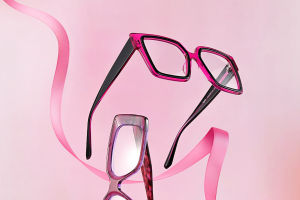 Glasses That Flatter YouDiscover how your face shape can guide you to frames that enhance your natural features and style.
 -
 How to Pick a WatchMovement, material, style, and budget all shape which watch is right for you. Here is how to think through each one.
 -
 Perfect Cheek Glow!Looking for easy beauty upgrade? Blush adds warmth and youthful skin tone!
Copyright © zogu 2021 - 2025. All Right Reserved.