Succulent Care
A plump, glossy echeveria sitting on a shelf. Firm leaves, vivid color. And then, a few weeks later: mushy, yellowing, falling apart. Nine times out of ten, the culprit isn't neglect.
It's too much water. Succulents get killed by kindness more often than anything else.
Understand How Succulents Actually Work
Succulents store water in their leaves, stems, and roots. That's the whole point of them — they're designed for drought. In their native environments, rainfall is rare but intense when it comes. Which means the correct watering approach is the exact opposite of what most people do for regular houseplants. Instead of light, frequent watering, succulents need deep, thorough drenching followed by a long dry period. Think of them like a camel that needs a proper drink, not a constant sip.
The Soak and Dry Method
This is the gold standard for succulent watering. Water thoroughly — deeply enough that excess drains out from the holes at the bottom of the container. Then wait. Don't water again until the soil has dried out completely. Check using the two-finger technique: push your fingers about an inch into the soil. If there's any moisture at all, hold off. The soil needs to be fully dry before the next watering. This mimics the natural rainfall pattern succulents are adapted to and encourages roots to grow deeper searching for moisture, which makes the whole plant more resilient.
Try Bottom Watering for Sensitive Plants
Some succulents don't love getting water on their leaves or at the base of the stem — it can cause rot. Bottom watering is the answer. Set the container in a shallow tray of water and let the soil absorb moisture upward through the drainage hole at the bottom. Leave it there for about 15 to 30 minutes, or until the top layer of soil feels barely damp. This method is particularly useful when soil has become compacted and water runs straight through rather than actually soaking in. It also promotes deeper root growth.
Skip the Misting
Misting sounds logical — a gentle spray for a desert plant. In practice, it doesn't hydrate succulents at all. The leaves don't absorb water through the surface in any meaningful quantity, and misting keeps the top of the soil slightly damp which can actually encourage pests and fungal issues. If the soil is dry, water it. That's the only way to genuinely hydrate a succulent.
Read the Signs of Overwatering vs Underwatering
Overwatered succulents go mushy. Leaves turn pale, then yellow, then translucent. Stems become soft. If this is happening, stop watering immediately, let the soil dry fully, and check the roots—if any are brown and slimy, trim them off and transfer the plant into a fresh, dry container with soil. Underwatered succulents go wrinkled. Leaves shrivel and become papery, especially toward the bottom of the plant. Crispy, brown leaf tips that spread across the top leaves are the clearest sign of serious water stress. When that happens, soak the plant thoroughly and let it recover before returning to a normal watering cycle.
Adjust for the Seasons
Succulents have active growing periods — typically spring and fall — and dormant phases in summer and winter. During active growth, watering every two to three weeks is a reasonable baseline for indoor plants. During dormancy, they need significantly less, sometimes as rarely as once a month. Small Containers dry out faster than large ones, so adjust accordingly rather than following a rigid schedule. The plant and the soil will tell you what they need.
By understanding the specific needs of succulents and adjusting your watering habits, you can prevent accidental overwatering and keep your plants thriving. Paying attention to soil dryness, container drainage, and watering frequency ensures your succulents remain healthy, vibrant, and long-lasting—proving that a little care goes a long way in plant success.
-
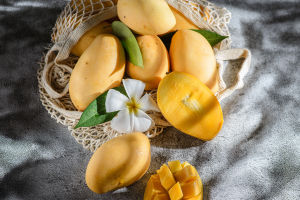 Mango Sticky RiceCan We Make Mango Sticky Rice at Home That Tastes Like a Tropical Café Dessert in Just a Few Simple Steps?
 -
 Barbie Pink BlushWant doll-like cheeks? Bright pink blush adds playful fresh makeup energy instantly!
 -
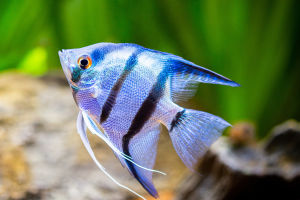 Graceful Fish CareHow Can We Keep Angelfish Healthy and Elegant at Home? Easy Aquarium Tips for a Calm and Beautiful Underwater World!
Copyright © zogu 2021 - 2025. All Right Reserved.