Floating on Centuries
Friends, no amount of photographs truly prepares you for the moment a gondola slips silently beneath a stone bridge while centuries-old palaces rise on either side, their reflections trembling in the canal below. Venice is a city built on water, shaped by time, and unlike anything else on Earth.
Every narrow alley leads somewhere unexpected, every bridge frames a new composition, and every canal carries echoes of a history stretching back over a thousand years. Getting lost here is not a problem—it is the entire point.
The Gondola Ritual
A gondola ride remains Venice's most iconic experience, and official city rates keep pricing transparent. Daytime rides (9:00 AM to 7:00 PM) cost €90 ($98) for the entire boat—up to five passengers—for a 30-minute cruise. Evening rides (after 7:00 PM) run €110 ($120) for 35 minutes, with twilight reflections adding undeniable romance. Budget travelers can join shared gondola experiences, typically priced at €30 to €40 ($33 to $44) per person, bookable online in advance. Cash is preferred by most gondoliers. Music or singing during the ride is not included in the standard fare—serenade packages cost extra and must be specifically requested.
For a quieter, more authentic route, seek gondola stations (stazi) tucked into residential neighborhoods rather than the crowded docks near major landmarks. These departures often navigate narrower, less-trafficked canals where the city reveals its most intimate character.
Water Bus Network
The vaporetto water bus system is Venice's public transit lifeline, connecting all major islands and neighborhoods. A single 75-minute ticket costs €9.50 ($10.35). Multi-day passes deliver far better value for active explorers: 24-hour passes cost €25 ($27), 48-hour passes €35 ($38), 72-hour passes €45 ($49), and 7-day passes €65 ($71). Taking the Line 1 vaporetto down the Grand Canal is itself a world-class sightseeing experience—slower than Line 2 but stopping at every major landmark along the way. Passes also cover boats to the outer islands of Murano (famous for glassblowing) and Burano (known for its rainbow-painted houses and lace traditions).
Landmark Essentials
Piazza San Marco, the grand central square, anchors Venice's cultural life. The soaring Campanile bell tower offers panoramic views across the rooftops and lagoon—elevator access costs approximately €10 ($11). The ornate Doge's Palace, a masterpiece of Gothic architecture overlooking the waterfront, charges €30 to €35 ($33 to $38) for standard entry; booking online in advance secures a timed slot and avoids lengthy queues. The Venice Museum Pass at approximately €50 ($55) bundles access to the palace and several additional civic museums, offering strong value for culture-focused visitors. The Rialto Bridge, the oldest crossing over the Grand Canal, is free to walk and surrounded by lively market stalls and local eateries.
Piazza San Marco
Eating Venetian
Venice's dining culture rewards the curious. Cicchetti—small plates similar to tapas—are the local specialty, served at traditional bacari (small neighborhood eateries) for €1.50 to €4 per piece. A satisfying cicchetti crawl through three or four spots costs roughly €15 to €25 per person. Sit-down restaurants in tourist-heavy zones like San Marco charge €25 to €60 per person for main courses, while neighborhood trattorias in Cannaregio or Dorsoduro serve equally delicious food for €15 to €30. Fresh pasta dishes, seafood risotto, and fried soft-shell crab (in season) define the local menu.
Where to Sleep
Accommodation in Venice proper is expensive but manageable with planning. Budget hostels and guesthouses start from €65 to €130 ($71 to $142) per night. Mid-range three-star hotels range from €163 to €305 ($178 to $333). Staying in Mestre on the mainland—connected by a 15-minute bus or train—drops prices 25 to 40 percent, with comfortable rooms available from €50 to €100 per night. Off-season months of January and November offer the steepest accommodation discounts, cutting peak-season rates nearly in half.
Access Fee Alert
Venice now applies a visitor access fee on designated peak days, typically weekends and holidays between April and July. Checking the official VisitVenezia portal before traveling confirms whether specific dates require advance registration and payment. The fee is modest but mandatory, and arriving without it risks fines at entry checkpoints.
Getting Around
Venice is entirely pedestrian—no cars, no bicycles, just feet and boats. Walking remains the best way to discover hidden corners, but comfortable shoes are essential, as centuries-old stone paths and countless bridge steps add up quickly. From Marco Polo Airport, the Alilaguna water bus reaches central Venice in roughly 75 minutes for approximately €15 ($16) one way, while private water taxis cost €110 to €140 ($120 to $153) for the same trip.
Readers, Venice does not reveal itself to people in a hurry. Its magic lives in the quiet canals at dawn, the golden light on crumbling facades at dusk, and the unexpected discovery of a tiny square where someone plays music to an audience of three. Have you ever found a place so deeply layered that leaving felt less like ending a trip and more like closing a book you were not finished reading?
-
 Tangy Rhubarb MuffinsA Perfect Treat for Your Morning Cravings!
 -
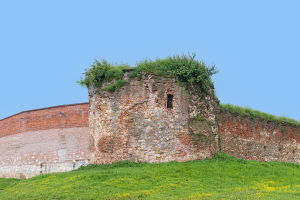 Šabac: Playful & ProudFort views, cheeky parades, and warm plates—Šabac shines with humor and heart on Serbia’s easygoing northwest edge.
 -
 Comfort on WheelsA well-chosen pet stroller turns shared outings into gentle, confident moments again.
Copyright © zogu 2021 - 2025. All Right Reserved.