Stay Right, Drive Safe
The left lane feels fast. It feels like progress. And for a lot of drivers, it feels like the only place worth being.
Here's the thing, though — most highway accidents happen there. Not in the middle. Not on the right. The left lane, where everyone's moving fastest, and escape routes disappear.
Expert editors, who spend their careers behind the wheel and attend high-performance driving school every single year, put together a list of non-obvious accident prevention tips. These aren't the basics your driving instructor covered. These are the things you pick up after years of real road experience.
Stay Right, Stay Flexible
The center or right lane gives you options. If something goes wrong ahead — a car braking hard, debris on the road, a sudden lane change — you can move right or pull onto the shoulder. The left lane cuts that off entirely. There's nowhere to go but forward or into the median. Plus, driving in the left lane makes you more visible to the highway patrol. Worth thinking about.
Look Further Than You Think You Should
Most drivers watch the car directly in front of them. That's too close. By the time something happens ahead of that car, there's barely enough time to react. Instead, train yourself to track the vehicles two or three cars up. Watch their brake lights. When those cars all light up at once, something's happening, and you still have a few seconds to respond — which changes everything.
Blind Spots Are Real, and Mirrors Aren't Enough
Adjust your side and rearview mirrors properly, sure. But then, actually turn your head and look directly into the lane beside you before changing lanes. Mirrors leave gaps. There's always a zone where a motorcycle, a small car, or even a cyclist can hide. And consider that the trucks and large vehicles around you have massive blind spots too — minimize the time you spend riding in them.
Hands at 9 and 3
One hand at the top of the wheel. Both hands at the bottom. These are the lazy habits that feel fine until a tire goes or something appears in the road, and the reflexes kick in. The 9 and 3 position — like a clock — gives maximum steering control and keeps the arms in position for a fast, accurate avoidance move. It makes a real difference in an emergency.
Read the Car, Not Just the Road
A banged-up car with dirty windows and a driver weaving in the lane isn't a random observation — it's information. A beat-up exterior can signal an inattentive owner, which often means an inattentive driver. Drifting within a lane is a classic sign of distraction or fatigue. When a car gives off those signals, the smartest move is to get away from it. Give it space. Let it go.
The left lane feels like progress, but progress means nothing if you run out of road. Small habits save lives: staying in the center or right lane, looking two cars ahead, turning your head for blind spots, keeping hands at 9 and 3, and reading other drivers' conditions before they make a mistake.
None of these takes extra time. They just take attention. Next time you drive, try one new habit. Then another. Over time, they become automatic. And automatic good habits are what separate safe drivers from lucky ones.
-
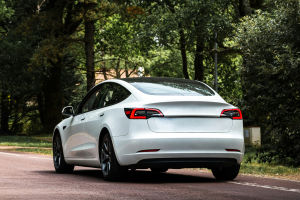 EVs & SustainabilityCars produce about 28% of global CO2. Here is what the automotive industry is actually doing to fix that.
 -
 Ennis, Storybook QuietRuins, river walks, limestone moonscapes—Ennis delivers soft adventure, big history, and easy day trips without the crowds.
 -
 Hair Color MatchingWhy Does Your Hair Color Change Your Entire Look? Discover Skin Tone Matching Secrets for a Naturally Bright Appearance!
Copyright © zogu 2021 - 2025. All Right Reserved.