Goldfish Care Essentials
Goldfish are often considered simple pets, but they require consistent care, stable conditions, and an appropriately designed habitat to remain healthy.
Responsible goldfish keeping focuses on providing adequate space, maintaining water quality, and supporting their biological needs over time.
Provide an Appropriately Sized Aquarium
A common misconception is that goldfish can thrive in small bowls or compact containers. In reality, these environments are unsuitable for long-term care and growth.
A minimum aquarium size of around 20 gallons is recommended for juvenile goldfish. For fancy varieties, a larger setup of at least 40 gallons is strongly recommended. Increased water volume helps maintain stable conditions, reduces waste buildup, and supports overall fish health.
Maintain Excellent Water Quality
Water quality is the most important factor in goldfish care. These fish produce a high amount of waste, which can quickly affect the balance of their environment if not properly managed.
Key requirements include:
- Stable pH levels between 7.0 and 8.4
- Clean, well-filtered, and stable water conditions
Tap water must be treated before use to remove harmful disinfecting chemicals.
Partial water changes of 10–25% every two to four weeks are recommended. Full water replacements should be avoided, as they disrupt beneficial bacterial colonies that help maintain a stable aquatic environment.
Ensure Proper Filtration and Oxygenation
A strong filtration system is essential for maintaining a healthy aquarium. Filtration removes waste, helps break down harmful substances, and supports oxygen exchange at the water’s surface.
The filter should be capable of processing the full tank volume several times per hour. As a general guideline, the filtration rate should be at least five times the aquarium’s total volume each hour.
Additional oxygenation, such as surface water movement or air-based systems, further improves water quality and supports fish health.
Maintain Stable Temperature Conditions
Goldfish are cold-water fish and thrive in stable, moderate conditions. Sudden changes in temperature can cause stress and negatively affect their health.
A consistent, moderate temperature range is ideal. Any adjustments to the environment should be made gradually to allow proper adaptation.
Feed in Controlled Portions
Goldfish should be fed carefully measured amounts once per day. Overfeeding is one of the most common causes of health problems and water quality issues.
Food should be consumed within one to two minutes. Any remaining food should be removed promptly to prevent water contamination.
A balanced, high-quality diet is recommended, with food that supports natural feeding behavior and digestion.
Create a Safe and Enriched Habitat
Aquarium decoration should prioritize safety and natural behavior. Sharp or rough materials should be avoided, as they may cause injury.
Smooth substrates are preferable, as goldfish naturally search for food along the bottom of their environment.
Hardy aquatic plants can be used to enrich the habitat, although goldfish may feed on them. The environment should be arranged to allow free movement and reduce stress.
Goldfish are best kept in compatible groups under similar conditions, ensuring adequate space and stable water quality for all fish.
With proper care, goldfish can live for many years. Long-term health depends on providing sufficient space, maintaining stable water conditions, ensuring effective filtration, and feeding responsibly. When these needs are met, goldfish can thrive in a well-balanced and stable aquatic environment.
-
 Quiet Wabi LivingHow Can Wabi-Sabi Interior Design Create Calm, Natural, and Peaceful Living Spaces?
 -
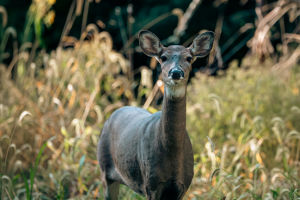 Meet the Mule DeerBig ears, bouncy jumps, and a wild life roaming the rugged American West - here's everything cool about mule deer!
 -
 Building Family BondsHow Small Everyday Moments Can Strengthen Emotional Connection Within Families
Copyright © zogu 2021 - 2025. All Right Reserved.