The Magic of Goldwork
Hi, Friends!
If you have ever seen a gold-embroidered gown shimmer under bright lights, you already know the effect: goldwork does not just decorate fabric, it changes how the fabric moves and catches the eye.
That feeling is exactly what goldwork embroidery was designed to create. This ancient, luminous craft has survived thousands of years for one simple reason: nothing else catches the light quite like it.
What Exactly Is Goldwork?
Goldwork embroidery is a very ancient needlework technique using metal threads to decorate textiles. Traditionally, gold was hammered into thin plates and cut into threads. What makes it so special compared to regular embroidery? Unlike other types, where the thread goes through the fabric, in goldwork embroidery, gold or silver threads are stitched on the surface of the garment, adding sophistication, richness, and contrast to the design. Characterized by complex patterns and motifs, it can feature relief surfaces, achieved through techniques such as padding and couching, providing dimensionality to the piece.
A History Written in Gold
An ancient technique, tracing back to a time when precious fabrics and threads made their way from East to West through the aptly named Silk Road, it has experienced a revival in recent decades. Goldwork was originally developed in Asia and has been used for at least 2 000 years. Its use reached a remarkable level of skill in the Middle Ages, when a style called Opus Anglicanum was developed in England and used extensively in places of worship, including vestments and hangings. For centuries, gold has symbolized wealth and power, adorning emperors, spiritual leaders, and royalty. To reflect the wearer's status, highly skilled artisans crafted patterns using metallic gold threads to garnish the most luxurious materials.
From Palaces to Couture Runways
Today, goldwork is experiencing a vibrant renaissance. No longer confined to palaces or cathedrals, it now graces haute couture runways, ceremonial regalia, and contemporary art installations. From haute couture garments, accessories, bags, and shoes, to curtains and wall hangings, it infuses luxury and creativity into every piece. Famous brands like Chanel, D&G, and Dior showcase goldwork's versatility on runways. Goldwork has found a new stage in high fashion. The Royal School of Needlework's experimental techniques have graced everything from couture gowns to Beyoncé's Renaissance World Tour costumes. Here, traditional methods like couching, chipping, and padding are combined with bold, contemporary designs.
The Key Techniques Behind the Magic
At the core of goldwork embroidery lies the technique of couching. This method involves securing the metallic threads to the fabric with a contrasting thread, often in silk or cotton. Couching is about precision and rhythm, with each stitch evenly spaced and perpendicular to the metal thread. This technique is the backbone of goldwork, allowing you to "draw" with metal on fabric.
Padding is the secret behind goldwork's sculptural look. By layering felt or string under your stitching, you create raised areas that make your designs pop. Concentric felt pieces are used for gentle domes, while string or card adds sharper relief and dramatic contours.
Threads include passing (a silk or synthetic core wrapped in very thin strips of metal), purls (hollow tubes of metal of various descriptions), and twists (multiple strands of very fine passing twisted together); embellishments include spangles and kid leather covered with metal foil. The metal thread plays with light and adds beautiful qualities to the embroidered piece, and gives an added stiffness to the fabric.
What It Takes to Create a Goldwork Gown
Techniques like silk shading bring subtle gradients to life, while intricate bullion knots create bold textures. The process is painstakingly slow, but that is where the magic lies, as every stitch is placed with intention, ensuring each piece is as beautiful up close as it is on the runway. Embroidery is the soul of haute couture. It takes years to master the techniques that define couture embroidery. At its core is a deep respect for the craft. Embroiderers spend years refining their skills, learning the language of stitches and the discipline of precision. There are no shortcuts, only dedication, patience, and an unwavering commitment to excellence.
Goldwork Today: Timeless Yet Evolving
Designers like Georgina Bellamy have reimagined goldwork as sculptural art, while others blend traditional techniques with modern materials and motifs. This revival is fueled by both technological innovation and a renewed appreciation for craftsmanship. More artists are incorporating recycled threads and upcycled fabrics, making goldwork both luxurious and eco-conscious. Industrial machine embroidery is also embracing gold threads, expanding accessibility for creators and small businesses alike. Its shimmering metallic threads whisper stories of ancient traditions, maintaining the heritage of history and art. The allure of gold thread embroidery lies not only in its past but also in the hands of every artisan who breathes life into its unique creations.
Next time you see a golden couture gown gleaming under the lights, take a quiet moment to appreciate the countless hours of hand stitching that went into it. Goldwork is not just embroidery, it is a conversation between past and present, between the artisan's hands and your eyes. If you feel drawn to try it yourself, start with a simple couching exercise and let the light do the talking. You might just discover that this ancient art has been waiting for you all along.
-
 Trim Dog Nails Without FearLong nails don't just look bad — they quietly damage your dog's feet and joints over time
 -
 3 Poses for Stunning PhotosWant your photos to look straight out of a fashion magazine? These 3 poses are all you need to nail that high-end vibe.
 -
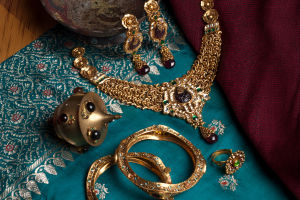 Classic Meets ModernA guide to understanding classic, timeless, and vintage jewelry and how to build a collection that lasts
Copyright © zogu 2021 - 2025. All Right Reserved.