7 Plants, Healthier Home
Hey Lykkers! When most people bring plants into their homes, they usually do so for aesthetic reasons. A splash of greenery brightens a room, softens harsh interiors, and creates a welcoming atmosphere.
But what if those same plants could also contribute to better sleep, cleaner air, reduced stress, and improved focus?
The quality of the environment inside your home plays a significant role in overall wellness. Modern buildings often trap dust, airborne pollutants, volatile organic compounds (VOCs), and stale air indoors. While houseplants aren't a substitute for proper ventilation or medical care, research suggests that certain species can help create a healthier and more comfortable indoor environment.
1. Lavender: A Natural Companion for Relaxation and Better Sleep
Few plants are as closely associated with tranquility as lavender. Native to the Mediterranean region, this fragrant herb has been valued for centuries for its soothing aroma and therapeutic properties. The scent released by lavender contains natural compounds that many people associate with relaxation and emotional balance.
Its fragrance is commonly incorporated into aromatherapy products designed to encourage restful sleep and reduce feelings of tension after a demanding day.
2. Golden Pothos: The Low-Maintenance Air Freshener
For busy homeowners or beginner plant enthusiasts, Golden Pothos is one of the most forgiving and rewarding choices available. Recognizable by its trailing vines and heart-shaped leaves streaked with shades of green and gold, this resilient plant adapts well to a variety of indoor conditions. It tolerates lower light levels and requires relatively little maintenance compared to many other houseplants.
3. Orchids: Elegant Blooms That Encourage Calm
Orchids are often admired for their extraordinary beauty, but their benefits extend beyond their striking flowers. These tropical plants bring a sense of sophistication and serenity to living spaces. Their graceful blooms can last for weeks or even months, providing long-lasting visual enjoyment. Many people find that simply being surrounded by flowering plants creates a more peaceful and uplifting environment.
4. Snake Plant: The Nighttime Air Quality Champion
If there were an award for the easiest health-supporting houseplant to maintain, the Snake Plant would be a strong contender. Its upright, architectural leaves bring a modern aesthetic to any room, while its resilience makes it ideal for both experienced gardeners and beginners. What sets the Snake Plant apart is its unique nighttime activity.
Unlike many plants that primarily exchange gases during daylight hours, Snake Plants continue converting carbon dioxide and releasing oxygen at night through a specialized process known as CAM photosynthesis. For this reason, many homeowners choose to place them in bedrooms.
5. Aloe Vera: A Living First-Aid Kit With Air-Cleansing Benefits
Aloe Vera has earned its reputation as one of the most versatile plants in the world. The thick, fleshy leaves contain a gel that has been traditionally used to soothe minor skin irritations, burns, and dryness. Having an Aloe plant nearby means a natural remedy is often within reach for everyday mishaps.
However, its value doesn't stop there. Aloe Vera also contributes to indoor air quality by absorbing certain airborne compounds that may be released from cleaning products, paints, and synthetic materials. Its compact size makes it suitable for kitchens, home offices, and sunny windowsills. Because Aloe stores water within its leaves, it requires minimal attention and can thrive even when occasional watering is forgotten.
6. Boston Fern: Nature's Humidity Booster
The Boston Fern is a favorite among indoor plant enthusiasts for its lush, cascading fronds and vibrant green appearance. One of its most notable qualities is its ability to increase humidity through a process known as transpiration. As moisture is released from the leaves into the surrounding air, the indoor environment may feel more comfortable, particularly during dry seasons or in air-conditioned spaces.
7. Rosemary: A Fragrant Herb That Supports Focus and Productivity
Rosemary has long been associated with memory, concentration, and mental clarity. This aromatic herb contains naturally occurring compounds that produce its distinctive scent. Studies have suggested that exposure to rosemary fragrance may positively influence alertness and cognitive performance, making it a valuable addition to study areas and workspaces.
For individuals who spend hours reading, writing, or working from home, a rosemary plant can serve as both a practical herb and an attractive decorative feature.
Creating a Healthier Indoor Environment With Green Companions
While no plant can completely purify indoor air or replace proper ventilation, incorporating a variety of houseplants can contribute to a more pleasant and balanced living environment. Together, they introduce natural beauty, improve humidity levels, support relaxation, and create spaces that feel more inviting and restorative. The key is selecting plants that match your lifestyle, available light, and maintenance preferences.
The relationship between people and plants goes far deeper than decoration. Choosing the right houseplant may be one of the simplest ways to create a healthier, more enjoyable living space. Which of these green companions would you welcome into your home first?
-
 Autonomous Driving SafetyA professional overview of autonomous vehicles, safety systems, and real-world challenges
 -
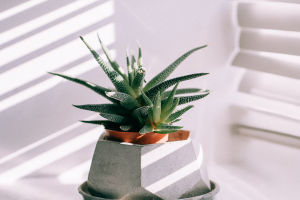 Succulent Indoor CareCan succulents truly thrive indoors with limited sunlight? Practical care tips to keep them healthy, compact, and vibrant at home.
 -
 Safe Trail Hiking GuideAre We Ready for a Safe and Enjoyable Hiking Journey? Essential Tips for Smooth and Confident Outdoor Trail Adventures
Copyright © zogu 2021 - 2025. All Right Reserved.