A Mountain Wears Rainbow
Friends, at 5,200 meters above sea level in Peru's Cusco Region, a mountain reveals stripes of red, gold, lavender, and turquoise so vivid they seem hand-painted across the landscape.
Vinicunca—known worldwide as Rainbow Mountain—has become one of South America's most sought-after treks, drawing adventurers willing to push through thin air and steep inclines for a view that no photograph fully captures.
The colors come from mineral deposits layered over millions of years, exposed by receding glaciers, and the result is nothing short of surreal.
Before You Climb
Altitude is the single biggest challenge at Vinicunca, and underestimating it is a serious mistake. The trailhead sits above 4,600 meters, and the summit reaches 5,200 meters—higher than most trekkers have ever stood. Spending at least two to three full days acclimatizing in Cusco (3,400 meters) before attempting the hike is essential. Coca tea, available everywhere in Cusco for less than $1 per cup, is a traditional altitude remedy. Staying hydrated, eating light carbohydrate-rich meals, and avoiding heavy exertion during the first acclimatization days dramatically reduce the risk of altitude sickness. Consulting a doctor about altitude medication before traveling is highly recommended.
Tour Options
Nearly all visitors reach Vinicunca through organized tours departing from Cusco. Group tours range from $40 to $60 per person, typically including hotel pickup at 3:00 to 4:00 AM, round-trip transportation (approximately three hours each way), breakfast, lunch, and an English-speaking guide. Private tours offer a more personalized experience at $90 to $120 per person. Always confirm whether the entrance fee is included in the tour price—some operators list it separately. The official entrance fee, paid in cash at the community checkpoint, is 25 Peruvian Soles (approximately $7). Tipping the guide is customary, with $5 to $10 per person considered appropriate.
The Trek Itself</h3
The round-trip hike covers roughly seven to ten kilometers depending on the specific route, taking most trekkers 1.5 to 3 hours to reach the summit viewpoint. The terrain is not technically difficult—mostly gradual inclines across high-altitude grasslands—but the thin air makes every step more demanding than expected. Walking slowly and breathing deliberately is crucial. Attempting to rush the ascent risks headaches, dizziness, and nausea. The final stretch before the viewpoint steepens considerably, requiring careful footing on loose gravel.
Horse Rental
For those struggling with the altitude or seeking assistance, local community members offer horse rides from the trailhead. Round-trip horse rental costs approximately $25 to $32 (90 to 120 Soles), with one-way options available for roughly half that price. Horses carry riders through the majority of the trail but cannot navigate the final steep section—the last 10 to 15 minutes must be completed on foot regardless. Negotiating the price before mounting is standard practice, and cash in Soles is required.
What to Pack
Weather at 5,200 meters changes rapidly and without warning. Layered clothing is essential—a moisture-wicking base layer, a warm fleece or down jacket, and a windproof outer shell cover most conditions. Gloves, a beanie, and a scarf protect against biting wind at the summit. Sunscreen rated SPF 50 or higher is critical, as ultraviolet exposure intensifies dramatically at extreme altitude. Sunglasses, sturdy hiking boots with good ankle support, and a rain poncho (sudden showers are common even in dry season) round out the essentials. Carrying at least 1.5 liters of water per person prevents dehydration.
Staying in Cusco
Cusco offers accommodation for every budget. Hostel dormitory beds start from $10 to $20 per night at well-reviewed properties like Viajero and Kokopelli. Mid-range boutique hotels in the charming San Blas district—a quieter neighborhood within walking distance of the main plaza—range from $50 to $100 nightly. Luxury properties with heated rooms and oxygen systems start from $150 to $300. Eating at local markets like San Pedro or San Blas keeps costs remarkably low—set lunch menus (menú del día) cost just $2 to $5 for a multi-course meal including soup, a main dish, and a drink. Tourist-oriented restaurants in the plaza area charge $15 to $30 per meal.
Viajero Cusco Hostel
Timing Matters
The dry season from May through October offers the clearest skies and most vibrant mountain colors. June through August represents peak season, bringing the largest crowds—arriving at the viewpoint between 7:00 and 9:00 AM avoids the worst congestion. April and September offer excellent conditions with noticeably fewer hikers. The wet season (November through March) frequently obscures the mountain in clouds and makes trails muddy and slippery, significantly reducing the chance of seeing the famous colors.
Readers, Vinicunca does not hand out its beauty easily. It asks for early mornings, careful preparation, and the willingness to push through breathlessness for a reward that reshapes how you see the natural world. Every traveler returns from that summit with the same stunned expression and the same thought—some things truly must be seen in person. What mountain view has left you most speechless, and could this one possibly top it?
-
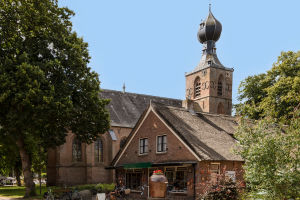 Dwingeloo, Beyond the GreenFrom fen-edge biking to telescope evenings, Dwingeloo proves small towns can feel vast under big skies and starry silence.
 -
 Cozy Window CornersTired of Boring Windows? Try These 4 Stylish Corners That Will Transform Your Home Instantly!
 -
 AI: The Safer DriverHow artificial intelligence is transforming road safety by reducing crashes caused by human error
Copyright © zogu 2021 - 2025. All Right Reserved.